
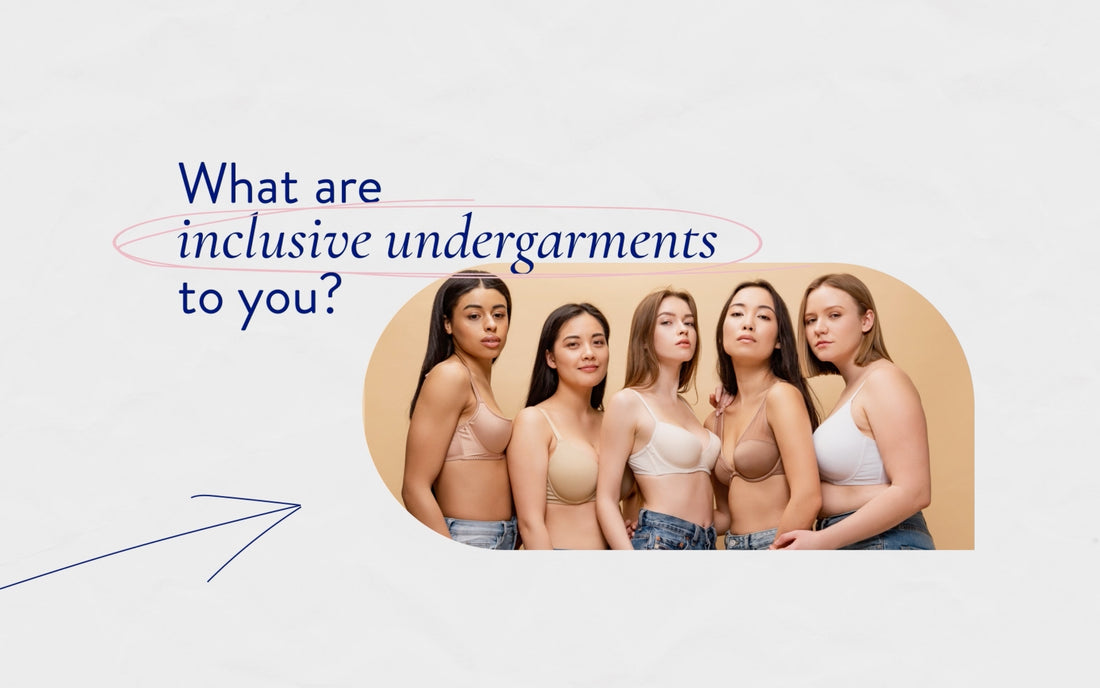
What are inclusive undergarments to you? | Good Design Research

What are inclusive undergarments to you? | Good Design Research


Good Design Research: A Study on Inclusive Undergarments

This research aims to study the physical, mental, and emotional factors that affect the donning and doffing of undergarments by persons with disabilities and their caregivers. Through understanding such factors, the team hopes to create products that mitigate the complexities and make dressing more convenient.


–


The project is supported by DesignSingapore Council's (Dsg) Good Design Research (GDR) initiative, which was created to empower designers to gain greater insights to explore more innovative solutions and find new possibilities for wider applications.


For more information, please contact the Will & Well team or check out our Instagram page. A full blog post with key insights from the study will be uploaded soon.

Back to blog

Get in touch

  • What are inclusive undergarments to you? | Good Design Research

    What are inclusive undergarments to you? | Good...

    This research aims to study the physical, mental, and emotional factors that affect the donning and doffing of undergarments by persons with disabilities and their caregivers. Through understanding such factors,...

    What are inclusive undergarments to you? | Good...

    This research aims to study the physical, mental, and emotional factors that affect the donning and doffing of undergarments by persons with disabilities and their caregivers. Through understanding such factors,...

  • The Incredibly Difficult to Attain Ice Cream

    The Incredibly Difficult to Attain Ice Cream

      Do experiences and needs from clothing change when one is seated on a wheelchair? Over the course of our exchanges and interviews with people with disabilities (PWDs), we understood that...

    The Incredibly Difficult to Attain Ice Cream

      Do experiences and needs from clothing change when one is seated on a wheelchair? Over the course of our exchanges and interviews with people with disabilities (PWDs), we understood that...

1 of 3